
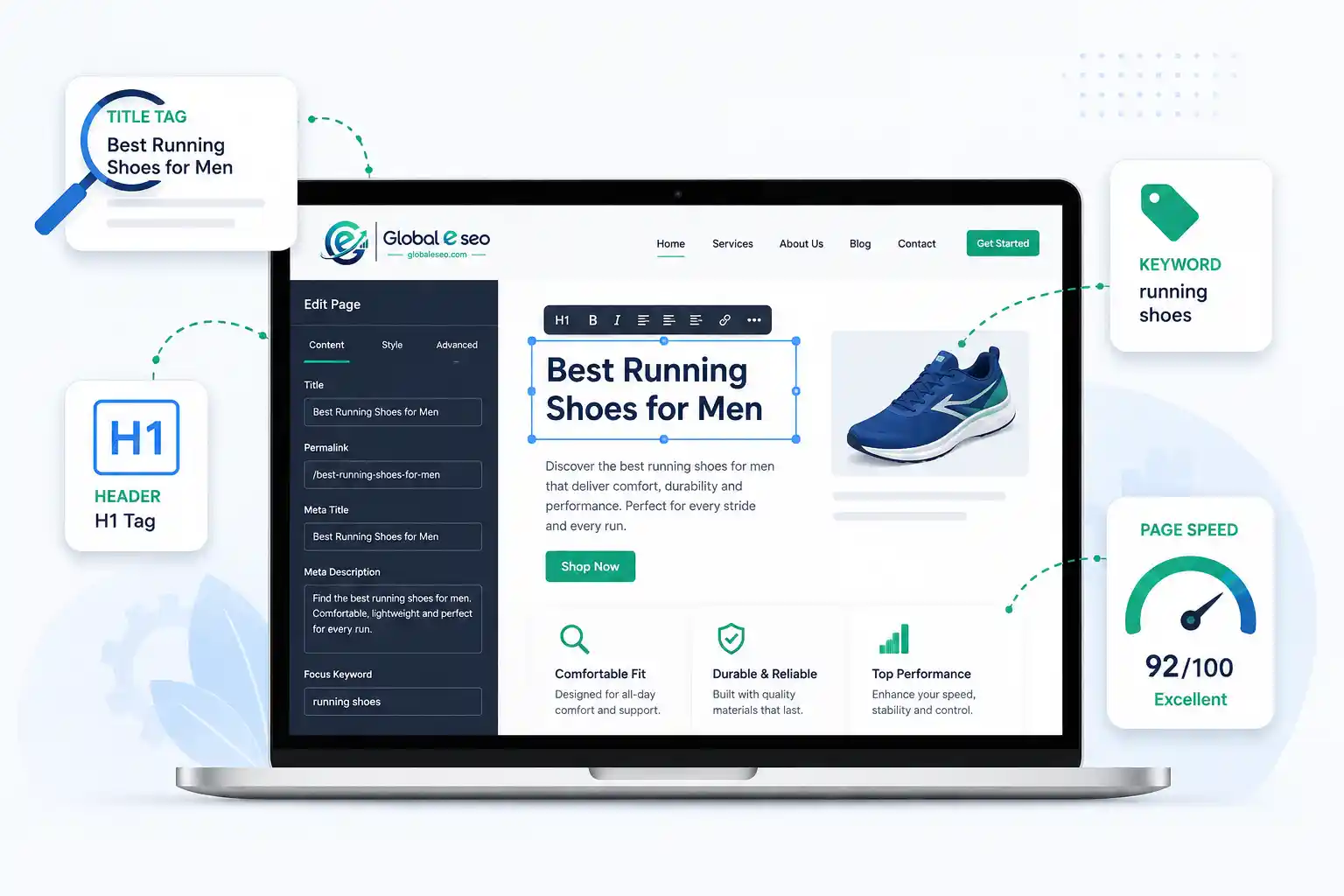
In the vast landscape of digital marketing, on-page SEO stands as the bedrock for enhancing a website's visibility and ranking on search engine results. It's the part of SEO you have the most direct control over — every headline, image, link, and line of code on your site plays a role in whether search engines (and real visitors) find you worth ranking.
Understanding the nuances of on-page SEO services is crucial for anyone looking to establish a robust online presence, whether you're running a small local business or managing a large e-commerce catalog. In this article, we'll walk through the key elements of on-page SEO, the mistakes that quietly hold websites back, the trends shaping the field right now, and why so many businesses eventually turn to professional help to get it right.
Table of Contents
Key On-Page SEO Elements
Before you can optimize a page, it helps to understand exactly which pieces of it search engines are actually paying attention to. Here are the core building blocks.
Title Tags and Meta Descriptions
First impressions matter, and title tags and meta descriptions play a pivotal role in grabbing users' attention while conveying a page's essence to search engines. A well-written title tag is concise, includes your primary keyword near the front, and gives someone scanning search results a clear reason to click. Meta descriptions don't directly influence rankings, but a compelling one can noticeably improve click-through rate, which in turn signals relevance to search engines over time.
Header Tags (H1, H2, H3)
Structured, well-organized content — marked by appropriate header tags — not only enhances readability but also helps search engines understand the content hierarchy of a page. A single, clear H1 should state what the page is about, while H2s and H3s break the content into logical, scannable sections. This structure also plays a major role in earning featured snippets, since search engines often pull directly from well-labeled subheadings.
URL Structure
A clean and concise URL structure contributes to user-friendly navigation and helps search engines comprehend the page's context at a glance. Short, descriptive URLs that include a target keyword — rather than strings of numbers or unnecessary parameters — tend to perform better and are easier for users to remember and share.
Keyword Optimization
Strategically placing relevant keywords within content helps search engines connect the page to specific search queries, ultimately boosting organic traffic. The goal isn't to repeat a keyword as many times as possible, but to use it — and its natural variations — in the places that matter most: the title, the first paragraph, at least one subheading, and scattered naturally throughout the body.
Image Optimization
Optimizing images by using descriptive alt text and compressing file sizes contributes to faster page loading, which positively impacts both user experience and SEO. Alt text also serves a second purpose: it makes your content accessible to visually impaired users relying on screen readers, and image size also matter and image extension like webp and jpg use image compressor which is both good practice and good for SEO.
Internal and External Linking
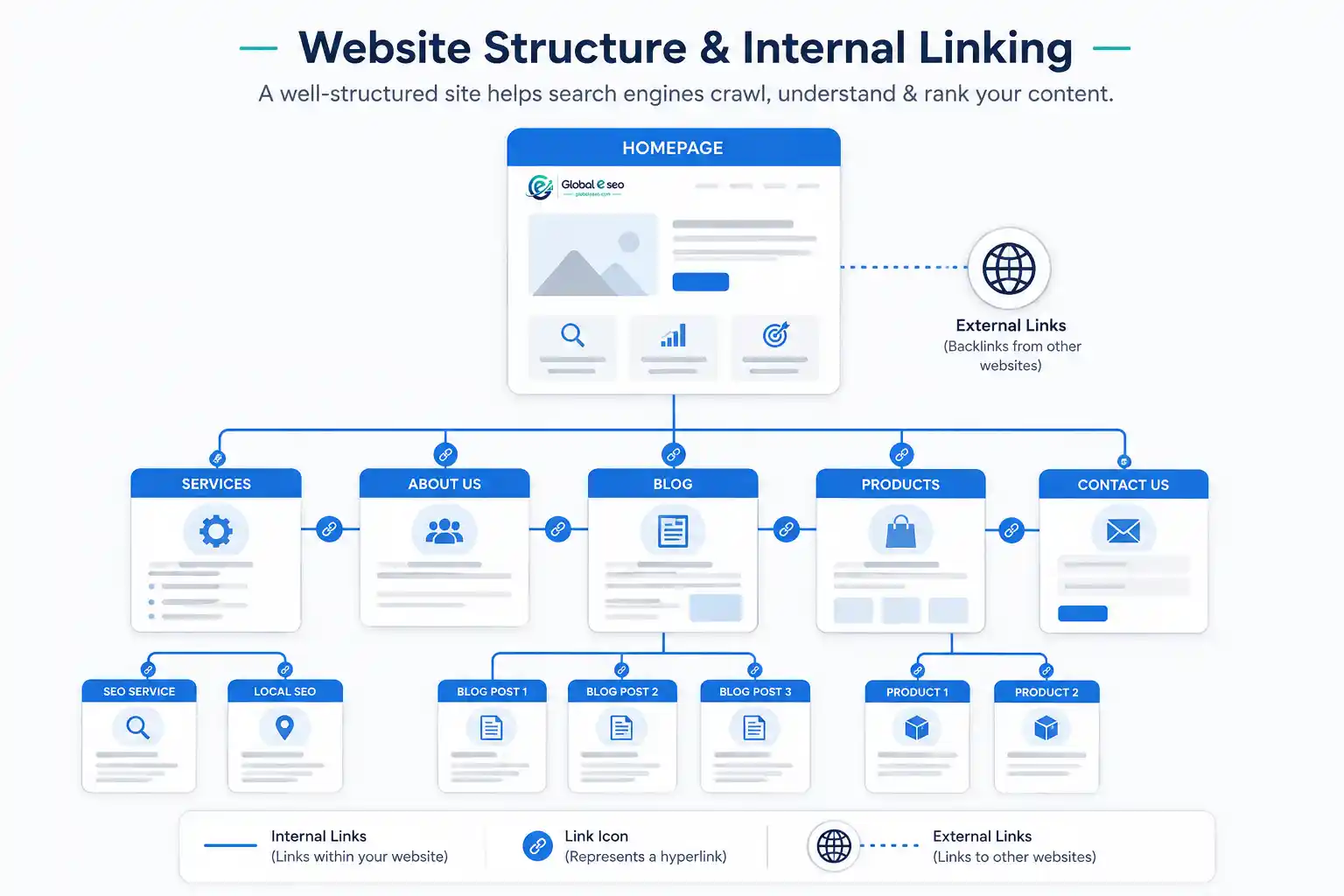
Creating a network of internal links enhances site navigation and helps distribute authority across your pages, while high-quality external links to reputable sources establish credibility and trust in the eyes of search engines. A thoughtful internal linking structure also keeps visitors on your site longer, exploring related content instead of leaving after a single page.
Content Quality and Relevance
Engaging and informative content not only keeps users on the page but also encourages sharing, which ultimately contributes to higher search engine rankings. Search engines have become increasingly sophisticated at recognizing content that's genuinely useful versus content written purely to hit a word count.
Striking a balance between naturally incorporating keywords and maintaining content relevance is vital for effective on-page SEO. Content should answer the question a visitor actually came to ask — thoroughly, clearly, and without unnecessary fluff. Prioritizing user experience through readable fonts, appropriate font sizes, short paragraphs, and well-structured content also contributes to lower bounce rates and, over time, higher rankings.
Mobile Optimization
Given the prevalence of mobile users — who now make up the majority of web traffic in most industries — ensuring a responsive design and mobile-friendly experience is imperative for on-page SEO success. Google primarily uses mobile-first indexing, meaning it evaluates the mobile version of your site first when determining rankings.
Adopting a responsive design not only caters to mobile users but also positively influences search engine rankings by improving load times, reducing bounce rates, and ensuring buttons, forms, and navigation menus are actually usable on smaller screens.
Page Loading Speed
Users expect fast-loading pages, and search engines reward websites that prioritize quick loading times with higher rankings. Even a one- or two-second delay can noticeably increase the number of visitors who abandon a page before it finishes loading.
Implementing strategies such as image optimization, browser caching, minimizing HTTP requests, and using a content delivery network (CDN) can significantly enhance page loading speed. Tools like Google PageSpeed Insights or GTmetrix can help identify exactly which elements are slowing a page down.
User Engagement Metrics
Dwell Time and Bounce Rate
Monitoring dwell time and minimizing bounce rates are key indicators of user engagement, and they influence how search engines interpret and rank a website. If visitors consistently leave a page within seconds, it signals to search engines that the content may not be meeting user expectations.
Strategies to Increase User Engagement
Encouraging interaction through compelling calls-to-action, internal links to related content, videos, and immersive formatting (like bullet points, images, and short paragraphs) can meaningfully boost user engagement metrics over time.
Technical SEO Aspects
- XML Sitemaps — Creating XML sitemaps aids search engines in comprehensively indexing a website, ensuring all relevant pages are considered for ranking.
- Robots.txt — Properly configuring the robots.txt file guides search engine crawlers, optimizing how a site is indexed and preventing unnecessary pages from being crawled.
- Canonical Tags — Implementing canonical tags helps prevent duplicate content issues and ensures search engines prioritize the correct version of a page when similar content exists across multiple URLs.
Monitoring and Analytics
Regularly monitoring website performance through tools like Google Analytics and Google Search Console provides valuable insight for ongoing optimization efforts — showing exactly which pages are gaining traction and which need attention. Conducting routine SEO audits helps identify areas for improvement and ensures a website's on-page SEO strategies stay current as algorithms and user behavior evolve.
Common On-Page SEO Mistakes
- Keyword Stuffing — Excessive use of keywords can harm readability and lead to penalties from search engines, making it crucial to strike a natural balance.
- Duplicate Content — Duplicate content across pages can confuse search engines and dilute the authority of a website, emphasizing the importance of unique, original content on every page.
- Ignoring Mobile Optimization — Neglecting mobile optimization results in a poor experience for a significant portion of your audience, directly impacting both rankings and user satisfaction.
- Thin or Outdated Content — Pages with minimal substance or outdated information tend to lose rankings over time as search engines favor comprehensive, up-to-date resources.
Evolving Trends in On-Page SEO
Voice Search Optimization
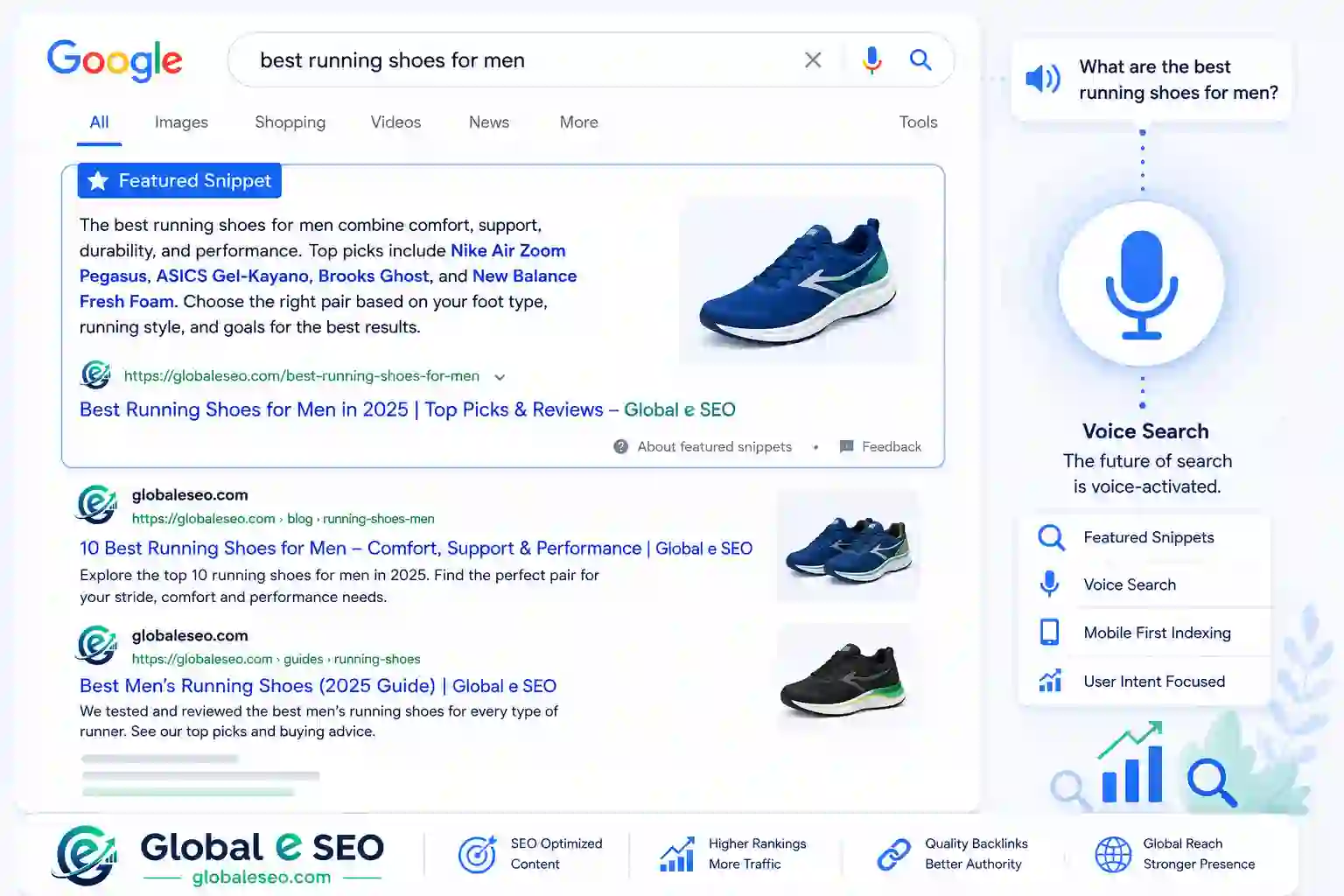
As voice search becomes more prevalent, optimizing content for natural, conversational language queries is becoming increasingly important. This often means structuring content around full questions rather than short keyword fragments.
Featured Snippets
Aiming for featured snippets in search results can elevate a website's visibility, presenting concise information directly to users at the very top of the page. Clear, well-labeled subheadings and direct answers early in a section make content far more likely to be pulled into this coveted position.
Benefits of Professional On-Page SEO Services
Expertise and Experience
Professional on-page SEO services bring a wealth of knowledge and hands-on experience, ensuring a tailored approach to optimizing a website's performance rather than relying on generic, one-size-fits-all fixes.
Time-Saving
Outsourcing on-page SEO allows businesses to focus on their core activities — running the business — while specialists handle the technical and content-level details required to compete in search rankings.
Long-Term, Measurable Results
Unlike quick fixes, professional on-page SEO is an ongoing process built on data. Agencies and specialists continuously test, measure, and refine strategies, which tends to produce more sustainable ranking improvements than one-time adjustments.
Conclusion
On-page SEO touches nearly every element of a website — from the words in a title tag to the speed at which a page loads. When these pieces work together, they create an experience that both search engines and real users respond to positively. While some fixes can be handled in-house, the cumulative, ongoing nature of on-page SEO is exactly why many businesses invest in professional services to keep their strategy sharp, current, and genuinely effective.