

A few years ago, “influencer marketing” meant a brand sending free products to a handful of Instagram creators and hoping for the best. Today it is a structured, data-driven discipline with its own teams, tools, and career ladders. Brands now plan creator partnerships with the same rigor they apply to paid ads, and agencies hire specialists just to find, vet, and manage creators.
Table of Contents
If you have ever wondered whether you could build a career in this space, or how to move up in it, this guide covers the roles, the skills that matter, and the opportunities ahead.
What Do Influencer Marketing Jobs Actually Involve?
At its core, an influencer marketing job is about connecting a brand with the right creator, for the right audience, with the right message. That sounds simple, but it involves strategy, negotiation, creative direction, legal awareness, and measurement. Here are the main roles you will find.
Influencer Marketing Manager
This is the person who owns the whole campaign. They set goals (awareness, sales, app installs), decide which platforms and creator tiers to use, manage the budget, negotiate rates, and report results to leadership. It is a strategy-plus-execution role, and it is often the stepping stone to director-level positions.
Influencer Relations Specialist
Think of this person as the brand’s face to the creator community. They send outreach, keep creators happy, handle contracts and deliverables, and spot new talent early. Strong people skills matter most here, because creators work with dozens of brands and tend to stay loyal to the ones that treat them well.
Content Strategist or Creative Lead
Great influencer content does not look like an ad. Content strategists write briefs that give creators direction without stripping away their voice. They also repurpose creator content into paid ads, email campaigns, and website assets, which is often where the real return on investment comes from.
Social Media Manager
Social media managers handle the brand’s own channels and make sure creator campaigns fit into the bigger picture. They manage community engagement, reshare creator content, and track how the audience responds across platforms.
Influencer Marketing Analyst
Analysts measure what worked and what did not. They track engagement rates, click-throughs, conversions, cost per acquisition, and audience quality, and they flag fake followers or inflated numbers. As budgets grow, brands lean harder on analysts to justify spend.
Emerging Roles
Newer titles keep appearing, such as creator partnerships lead, affiliate and ambassador program manager, and creator economy consultant. Larger brands increasingly build in-house creator teams rather than outsourcing everything to agencies.
The Skills That Separate Good Candidates from Great Ones
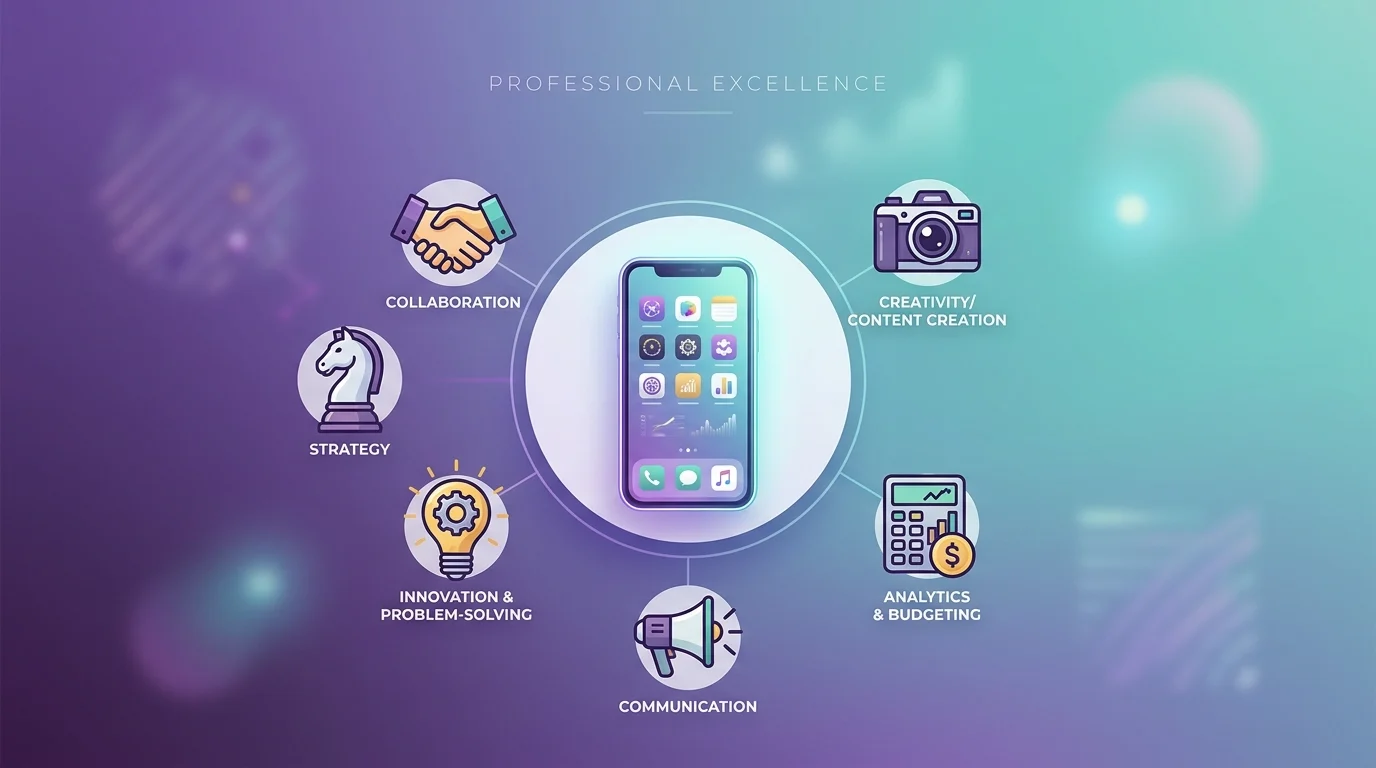
Employers do not just want people who are “good at social media.” The strongest candidates combine several abilities.
Strategic thinking. You need to connect a campaign to a business goal. A creator with a million followers is worthless if their audience does not match the product. Great marketers choose fit over size.
Relationship building. Influencer marketing is a people business. Creators respond to professionals who are reliable, respectful, and clear about expectations. A strong network can also help you land jobs later.
Negotiation. Rates vary widely depending on platform, audience size, content format, and usage rights. Knowing how to structure a fair deal, including exclusivity, revisions, and payment terms, protects both sides.
Content sense. You do not have to be a video editor, but you should understand what makes a hook work, why some captions get saved and shared, and how each platform’s culture differs. What works on TikTok will often flop on LinkedIn.
Analytical ability. Comfort with spreadsheets, dashboards, and basic reporting tools is no longer optional. Being able to say “this creator drove a lower cost per sale than our paid ads” will make you valuable fast.
Legal and ethical awareness. Disclosure rules, such as clearly labeling sponsored posts, are enforced in many countries. Professionals who understand advertising standards protect their brands from fines and reputation damage.
Adaptability. Platforms change algorithms, new formats appear, and audience tastes shift quickly. The people who thrive are curious, experiment often, and are not afraid to drop tactics that stop working.
Why This Field Offers Real Opportunity
Plenty of industries to choose from
Fashion, beauty, fitness, food, gaming, finance, education, travel, and technology all run creator campaigns. That means you can build a career around something you genuinely care about instead of settling for a generic marketing role.
A visible path upward
Many people start as coordinators or assistants, handling outreach spreadsheets and tracking deliverables. From there, the path usually leads to specialist, manager, head of influencer, and eventually director or VP roles. Because the field is young, talented people often advance faster than in older marketing disciplines.
Freelance and entrepreneurial routes
Once you understand how campaigns work, you can go independent. Many professionals become freelance campaign managers, open boutique agencies, or consult for small businesses that cannot afford a full team. Others build creator-matching tools or niche talent networks.
Work that crosses borders
Creators and audiences exist everywhere, so you may find yourself running campaigns across several countries. That exposure to different cultures and markets is a real advantage, particularly for professionals who speak more than one language.
Work you can see
Few marketing jobs give you such quick feedback. You launch a campaign, watch the posts go live, and see comments, shares, and sales come in within days. For people who like measurable impact, that is deeply satisfying.
How to Break In
If you are new to the field, here is a practical starting plan.
- Learn the basics. Follow creator-economy newsletters, listen to industry podcasts, and study how successful brand collaborations are structured.
- Build proof. Run a small campaign for a local business, a friend’s brand, or your own project. Document the goal, the creators you approached, the results, and what you learned.
- Get comfortable with tools. Familiarize yourself with influencer discovery platforms, link tracking, and basic analytics. You do not need to master everything, but showing you can learn tools quickly helps.
- Create your own presence. Being active on one or two platforms teaches you how creators think. Many hiring managers prefer candidates who understand the creator side.
- Network deliberately. Connect with agency staff, in-house marketers, and creators. Comment thoughtfully, attend events, and ask for informational chats rather than jobs.
- Tailor your applications. Show numbers where you can: engagement growth, sales driven, content produced. Specific results beat vague claims.
If you are already working in marketing, you can pivot by volunteering for influencer projects at your current company or taking a certification course in digital marketing and analytics.
Challenges to Be Ready For
No career is without friction. Influencer marketing professionals often deal with unpredictable creator schedules, tight deadlines, and budget scrutiny from leadership who want clear proof of return. Fake engagement and inflated follower counts remain an issue, and trends can burn out quickly. The best way to handle these pressures is to build solid processes: clear contracts, transparent briefs, vetted creators, and consistent reporting.
Final Thoughts
Influencer marketing has matured from a side experiment into a core part of how brands reach people. That growth has created careers that blend creativity, psychology, and data, and there is room for newcomers and experienced marketers alike. If you enjoy working with people, you are curious about culture and content, and you like seeing your work produce real results, this field deserves a serious look.
Start small, stay curious, and keep learning, because the creators and platforms of tomorrow will look different from today’s, and the professionals who adapt will lead the way.